

.png) 15 hour_ago
13
15 hour_ago
13
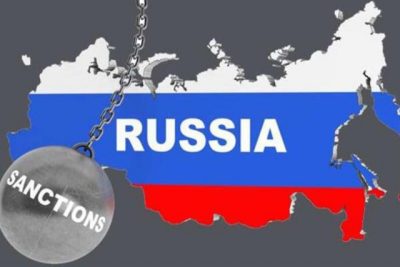
Greece has taken a firm stand in the European Union by blocking parts of the proposed 21st sanctions package against Russia, a move intended to protect its vital shipping sector and thousands of jobs.
Although there was instant outrage against Greece, the Mediterranean country is not alone in this stance, as more EU countries are showing concern, worried that sanctions are harming European economies more than Russia and that long-term sanctions may look strong symbolically but are economically harmful, raising energy prices, reducing industrial competitiveness, and pushing important sectors toward non-Western competitors, particularly China.
To read this article in the following languages, click the Translate Website button below the author’s name.
Русский, українська мова, Deutsch, Italiano, Dutch, Български, Español, Portugues, 中文, Français, 日本語, 한국어, Türkçe, Српски. And 40 more languages.
Greece’s stance is against the proposed ban on EU operators transporting Russian liquefied natural gas to third countries. According to the Financial Times, during a meeting of EU ambassadors, “a Greek representative stated that the proposed ban on the transport of Russian LNG to third countries could effectively destroy Dynagas’s business.” Greek diplomats have made it clear that such a measure would devastate the company, owned by billionaire shipping magnate George Prokopiou.
Dynagas operates a fleet of specialized Arc7 icebreaking LNG carriers essential for the harsh conditions near Russia’s Yamal project. Since early 2025, the company’s vessels have handled more than 10 million metric tons of Russian LNG in 144 voyages. These highly specialized ships cannot easily pivot to other routes, risking stranded assets, the loss of Arctic shipping expertise, and significant job losses in Greece’s vital maritime sector.
Greece argues the ban would not cripple Russian exports but would hand market dominance to competitors. European-controlled vessels would likely be sold or reflagged, ceding strategic maritime capabilities. As reported by a senior Greek official, Athens seeks proof from the Commission that the LNG transport ban would impose significantly higher costs on Russia without paving the way for third-country rivals to replace Greek firms.
Greece’s objections have delayed the package, which also targets additional Russian banks, cryptocurrency networks, and military-industrial entities. According to FT, the EU faces “crumbling support” for new Russia sanctions, with multiple countries — including France, Italy, Germany, Austria, and Portugal — demanding adjustments or exemptions to protect their own economic interests.
France and Italy, major tourist destinations that issue large numbers of Schengen visas, have opposed or sought to soften proposed entry bans and visa restrictions on Russians, citing administrative burdens on consular services, legal challenges, and impacts on tourism-related economies. Germany and Portugal have pushed back against restrictions on Russian fish imports, emphasizing the need to protect domestic seafood processing industries that rely on these supply chains for jobs and the affordability of products such as processed fish items. Austria has reiterated concerns about its banking sector, particularly seeking resolutions to Raiffeisen Bank’s exposure and potential asset issues linked to Russia.
Diplomats describe an unprecedented level of internal pushback, with EU countries prioritizing national realities. One observer told the FT that “moral imperatives” are fading at the negotiating table as governments confront the tangible costs borne by their citizens, while an EU diplomat said: “We’re trying to find a way out of this, but what this [issue with Greece] shows is that we’re starting to collide with some key economic interests.”
This reduction in support is expected after years of sanctions that have not achieved clear strategic wins but have instead damaged European economies and industries, especially Germany’s. Once heavily dependent on cheap Russian pipeline gas for more than half of its imports, Germany has faced a severe energy shock after supplies were curtailed, triggering record-high electricity and heating prices, forced industrial shutdowns or relocations, and accelerated deindustrialization.
Countries in Southern Europe, such as Greece, Cyprus, and Malta — which oversee the EU’s largest merchant fleets — have repeatedly opposed strict maritime restrictions, warning that such measures could encourage shadow fleets and foreign competitors, particularly China, whose shipping industry is rapidly expanding its fleet of tankers and LNG carriers. Greek authorities have repeatedly warned that European-flagged or insured vessels forced out of the trade would allow Chinese companies to dominate key Arctic and long-haul routes, while Europe would lose both revenue and strategic maritime expertise.
EU critics of sanctions argue that they have not isolated Russia as intended. Instead, sanctions have contributed to global energy volatility and created opportunities for non-EU actors. Greek shipping firms, operating legally within established frameworks, have sustained legitimate commerce that benefits European expertise and employment. The Greek companies, including those linked to Prokopiou interests, generated substantial revenues — for instance, Dynacom Tankers alone made at least $915 million shipping Russian crude in recent years — underscoring the sector’s importance.
As FT sources indicate, if every country demands carve-outs, packages become “empty shells,” an acknowledgment that four years of conflict require smarter strategies to protect European workers and industries. However, rather than protecting Greece’s specialized maritime capabilities, which ensure the EU retains global influence, Brussels would rather allow China to dominate the industry in the futile attempt to economically destroy Russia.
*
Click the share button below to email/forward this article. Follow us on Instagram and X and subscribe to our Telegram Channel. Feel free to repost Global Research articles with proper attribution.
Ahmed Adel is a Cairo-based geopolitics and political economy researcher. He is a regular contributor to Global Research.
Global Research is a reader-funded media. We do not accept any funding from corporations or governments. Help us stay afloat. Click the image below to make a one-time or recurring donation.














.jpg)


 French (CA)